Grief Is Not a Problem to Solve: What Early Grief Really Needs
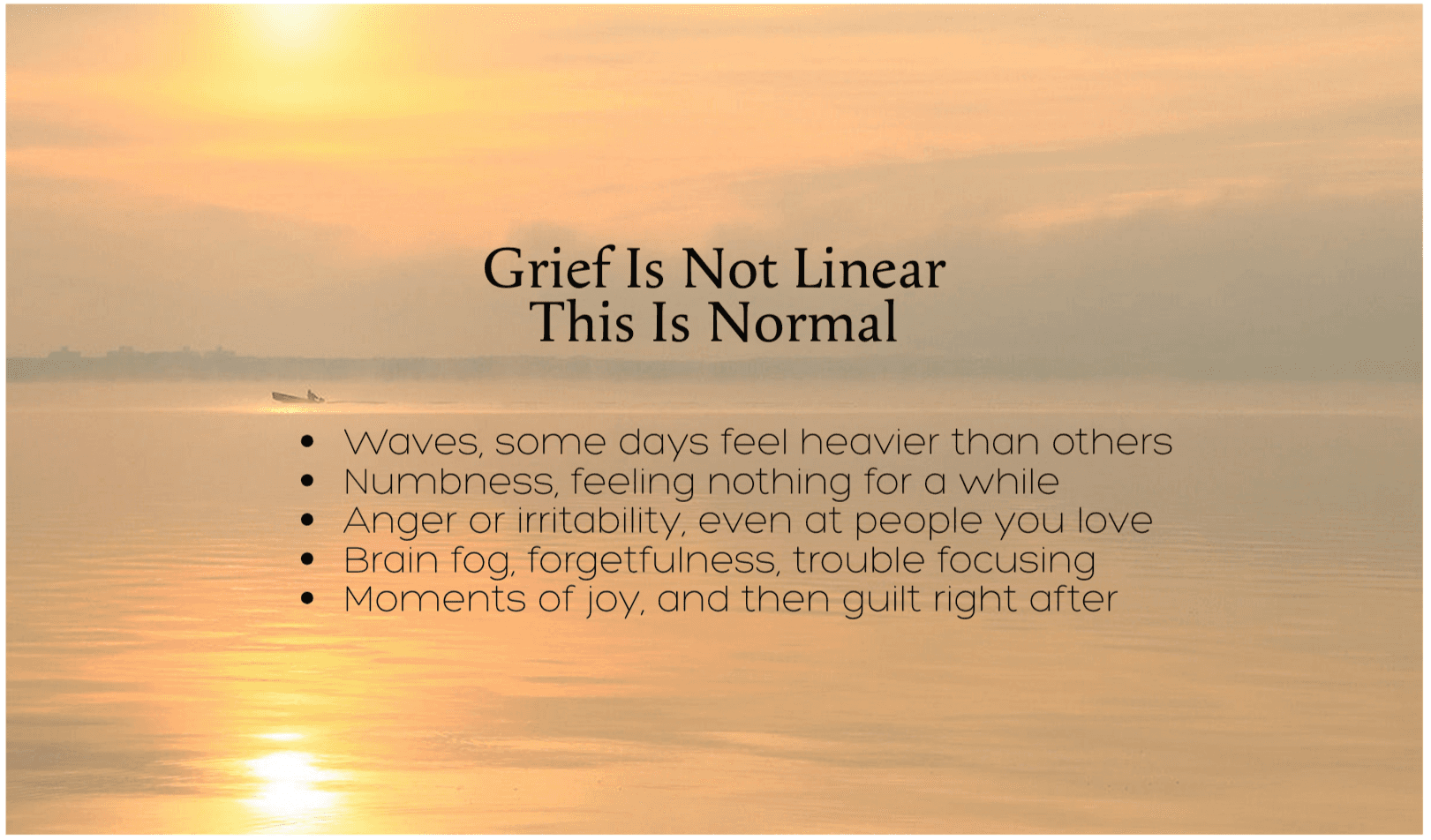
Grief is one of the most human experiences we have; however, many people are unprepared for what it is like. During the early phases of mourning, people are frequently advised to keep busy, be strong, or move on as soon as possible. While these reactions may have good intentions, they can make mourning people feel isolated and misunderstood.
Grief affects more than just our emotions. It can also impair sleep, appetite, focus, memory, energy, and ability to accomplish daily responsibilities. A mourning individual may appear "fine" on the surface while being cognitively, physically, and emotionally overwhelmed on the inside. This is not a weakness. It's a natural reaction to loss.
In my work with persons experiencing early grief, support is more important than recommendations. The majority of mourning people do not need to be fixed or rushed. They require space to feel their emotions, supportive connections, basic routines, rest, and the freedom to move at their own pace. Compassionate presence is frequently more beneficial than suggestions.
Grief does not follow a set schedule, and healing is rarely linear. There is no ideal way to grieve. When I provided individuals with support, understanding, and space to process their loss honestly, they recovered in profound and long-term ways.
Grief isn't something you "get over." It's something people learn to carry, integrate, and live with. With help and care, recovery can begin one honest step at a time.
“Grief is not a burden to be hidden. It is not a weakness to be ashamed of. It is the deepest proof that love existed, that something beautiful once touched your life. So let yourself feel it. Let yourself mourn. Let yourself remember. There is no timeline, no “right” way to grieve. Some days will be heavy, and some will feel lighter. Some moments will bring unexpected waves of sadness, while others will fill you with gratitude for the love you were lucky enough to experience. Honor your grief, for it is sacred. It is a testament to the depth of your heart. And in time, through the pain, you will find healing—not because you have forgotten, but because you have learned how to carry both love and loss together.”
-Jim Carrey
About the Author
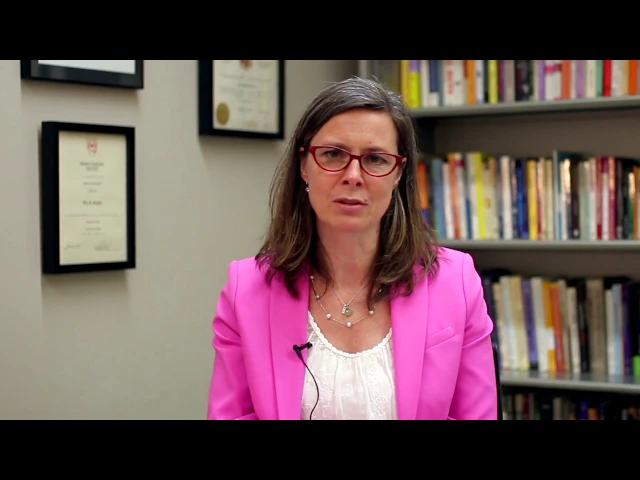
Jenn Taylor-O’Neill, PhD, LMSW, is a psychotherapist in Oklahoma, a former college professor in grief and loss, and a retired crime victim advocate. Her work focuses on helping people navigate grief, stress, trauma, and life transitions with compassion and practical support.
The Substance Abuse and Mental Health Services Administration (SAMHSA) offers information on stress, trauma, and mental health support: samhsa.gov/communities/coping-bereavement-grief
The Dougy Center provides practical grief support resources for individuals and families: https://www.dougy.org
Your trusted source
for continuing education
norman
1008 24th Ave NW
Norman, OK 73069
okc
13301 N Meridian Ave
Suite 201
Oklahoma City, OK
73120
Restore Employee Hub
Phone
(405) 310-3262
Fax
(405) 876-6364
office@restore-BH.com
Mailing Address
11008 24th ave NW
Norman 73069

